
When anxiety rises, breathing often becomes fast and shallow. This can make your body feel even more tense and overwhelmed. One simple way to calm your nervous system is the 4-7-8 breathing technique, a structured breathing exercise designed to slow your breath and help your body relax.
Breathing exercises like this are often used in therapy and mindfulness practices because they are simple, effective, and easy to do almost anywhere.
What Is 4-7-8 Breathing?
The 4-7-8 breathing method is a gentle breathing exercise that follows a specific rhythm:
- Inhale through your nose for 4 seconds
- Hold your breath for 7 seconds
- Exhale slowly through your mouth for 8 seconds
This breathing pattern helps slow your breathing and encourages your body to shift into a more relaxed state.
How to Practice 4-7-8 Breathing
Try this exercise the next time you feel anxious, stressed, or overwhelmed.
- Sit comfortably and relax your shoulders.
- Inhale slowly through your nose for 4 seconds.
- Hold your breath for 7 seconds.
- Exhale slowly through your mouth for 8 seconds.
- Repeat the cycle three to four times.
As you breathe, focus your attention on the rhythm of your breath. If your mind wanders, gently bring your attention back to the breathing pattern.
Why Breathing Exercises Help with Anxiety
When we feel anxious, the body often enters a stress response that increases heart rate, muscle tension, and rapid breathing. Slow breathing exercises can help signal to the body that it is safe to relax.
Practicing breathing techniques may help you:
- slow racing thoughts
- reduce physical tension
- feel more grounded
- regain a sense of calm during stressful moments
When to Use 4-7-8 Breathing
This technique can be helpful in many everyday situations, such as:
- when you feel overwhelmed or anxious
- before a stressful event
- during moments of worry
- before going to sleep
- when trying to slow racing thoughts
The more often you practice when calm, the easier it can be to use when anxiety appears.
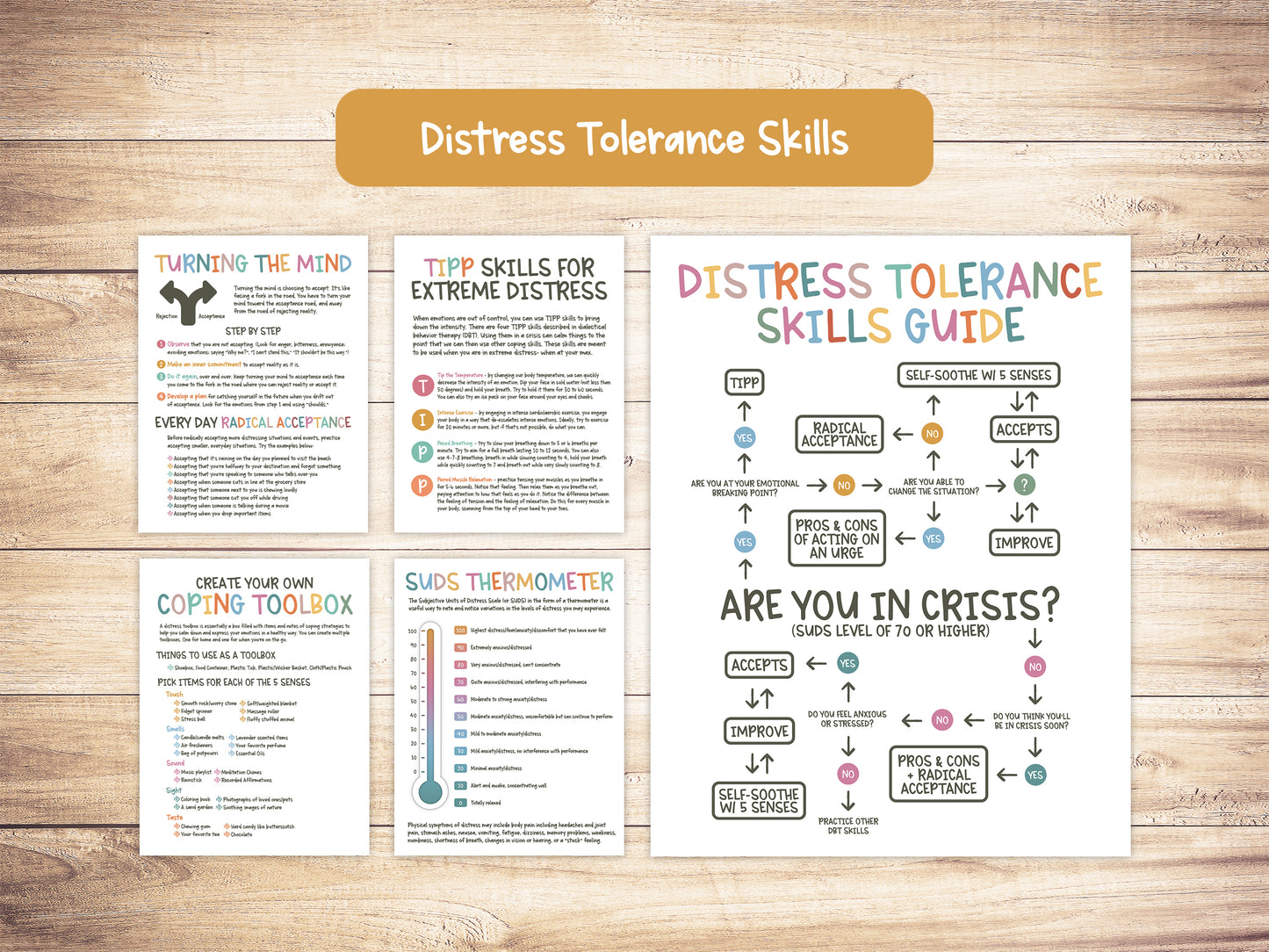
Building a Personal Coping Toolbox
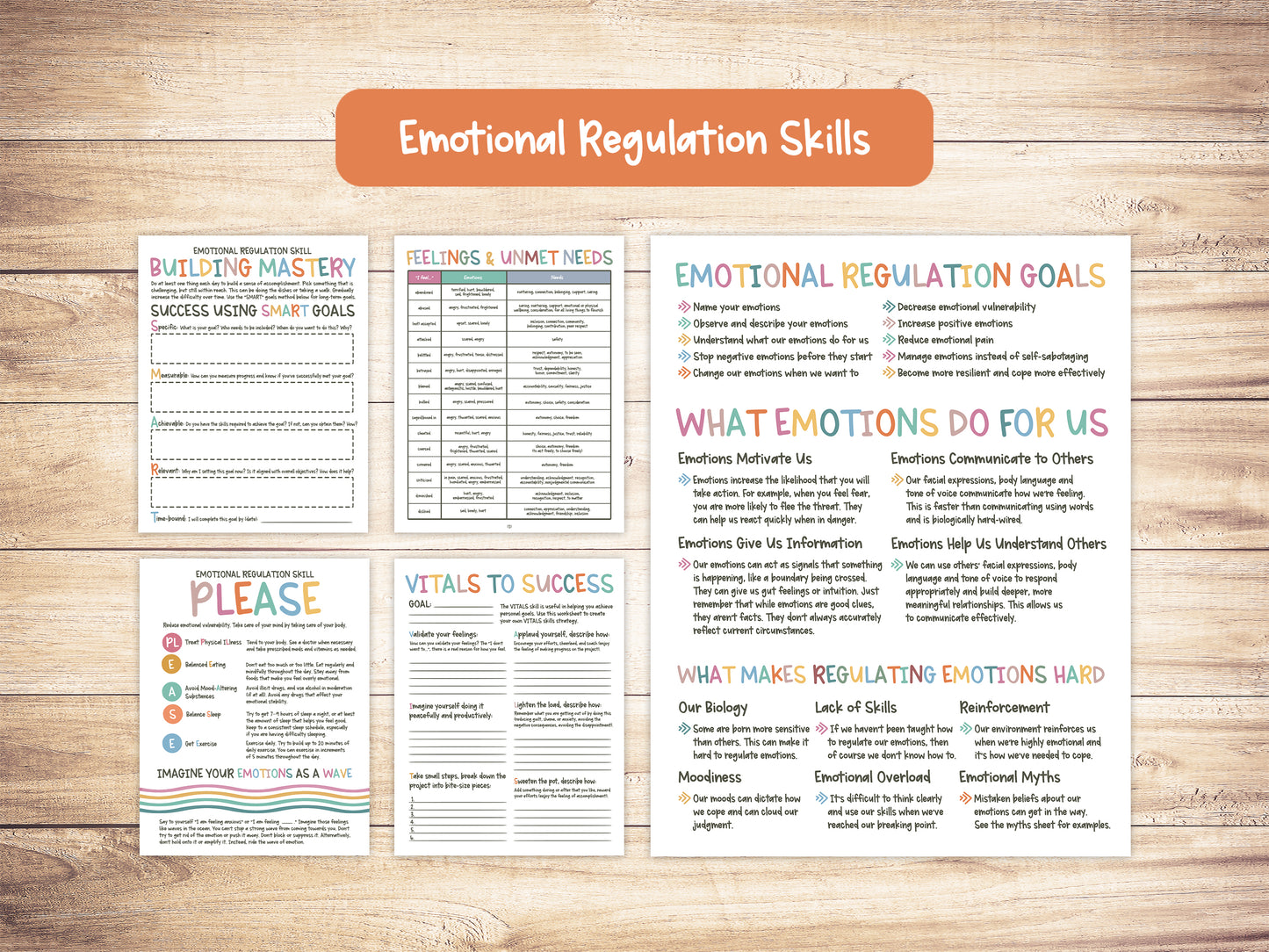
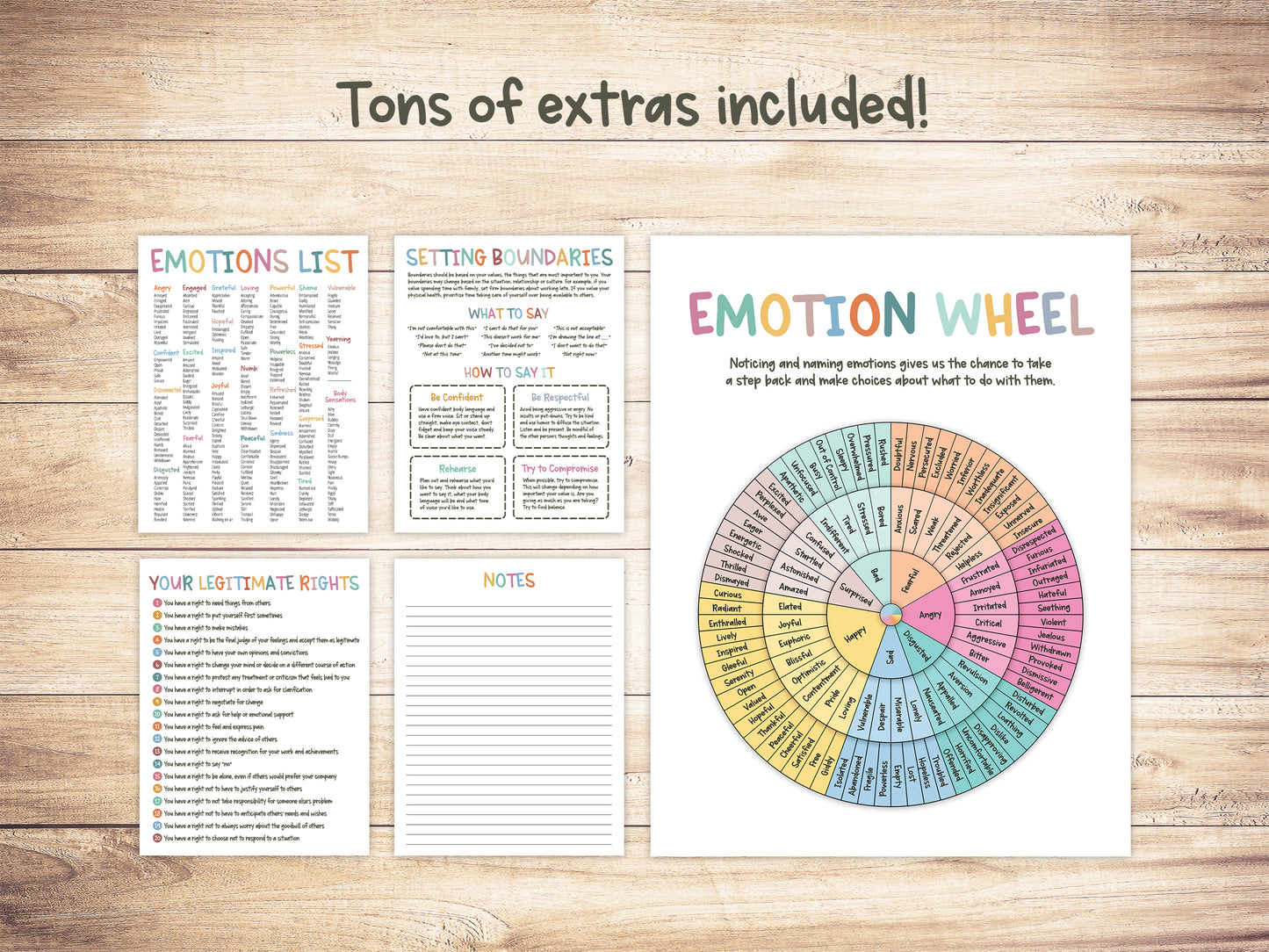
Breathing exercises are one helpful way to manage anxiety, but they often work best when combined with other supportive strategies. Many people find it helpful to build a personal toolbox of coping skills they can use during stressful moments.
This might include mindfulness exercises, grounding techniques, journaling, or other calming activities that help bring attention back to the present moment.
Final Thoughts
The 4-7-8 breathing technique is simple, gentle, and accessible. Even a few slow breaths can help your body settle and create a moment of calm during stressful times.
With regular practice, breathing exercises like this can become a helpful part of your daily routine for managing anxiety and supporting overall wellbeing.