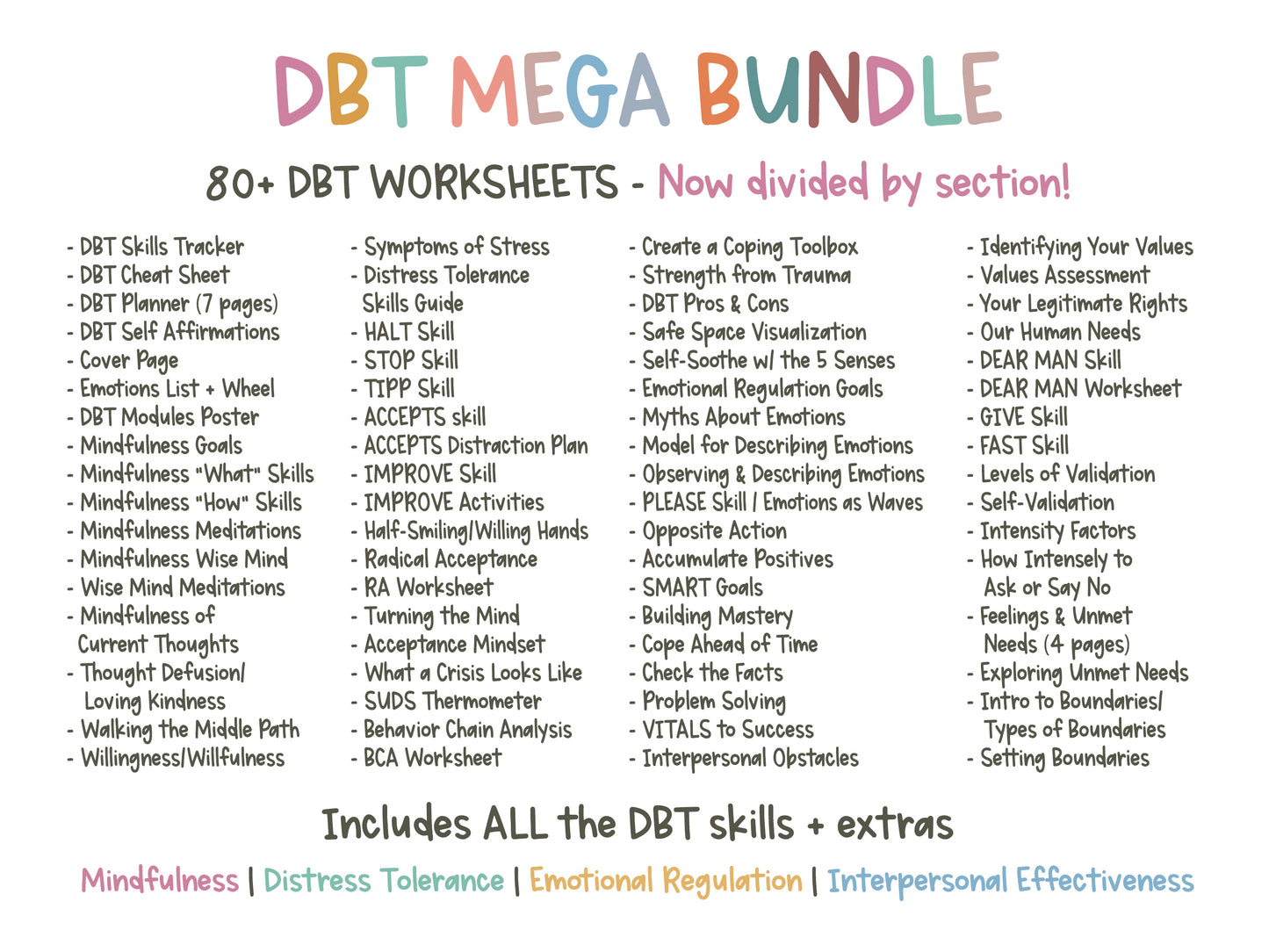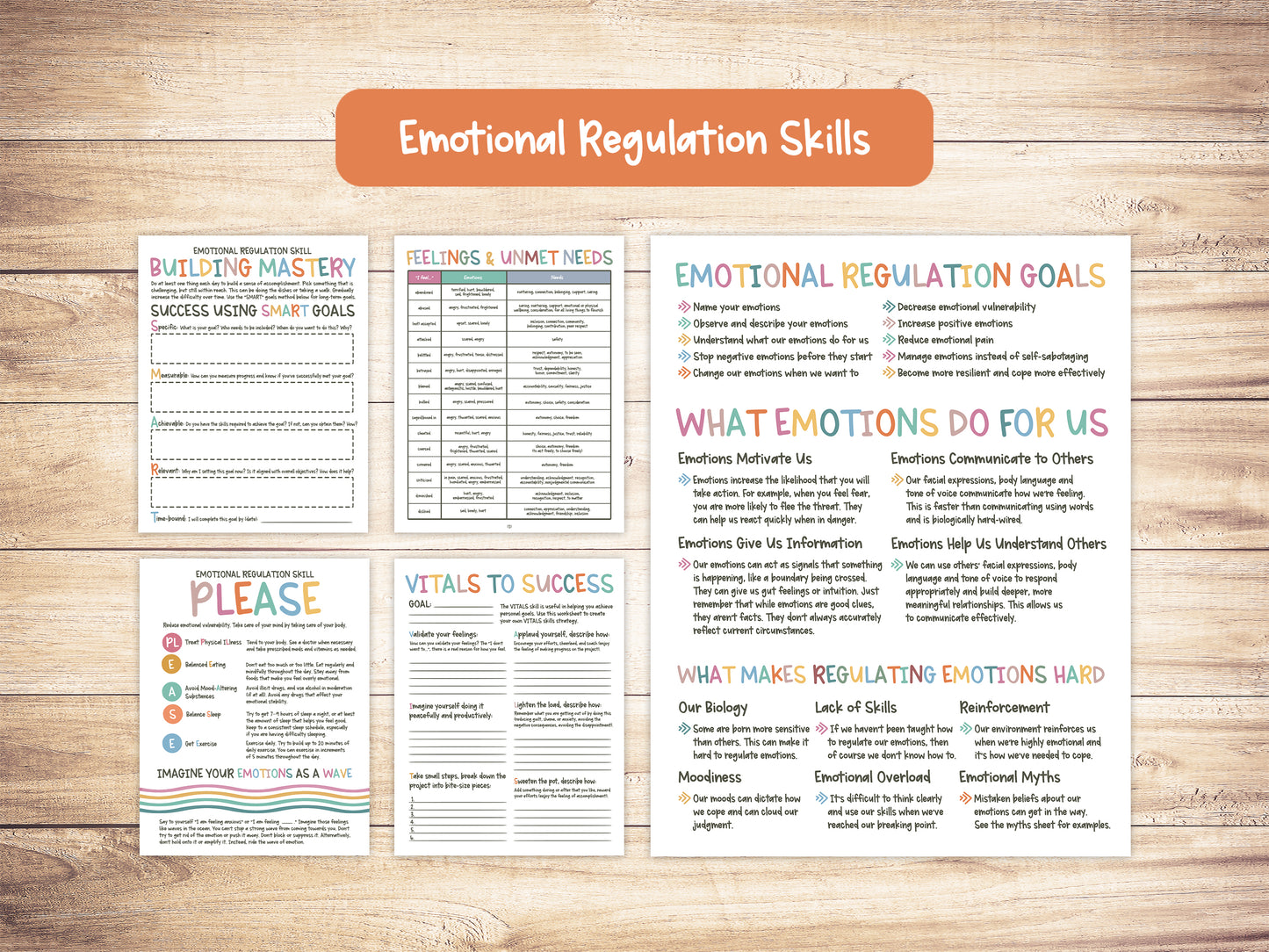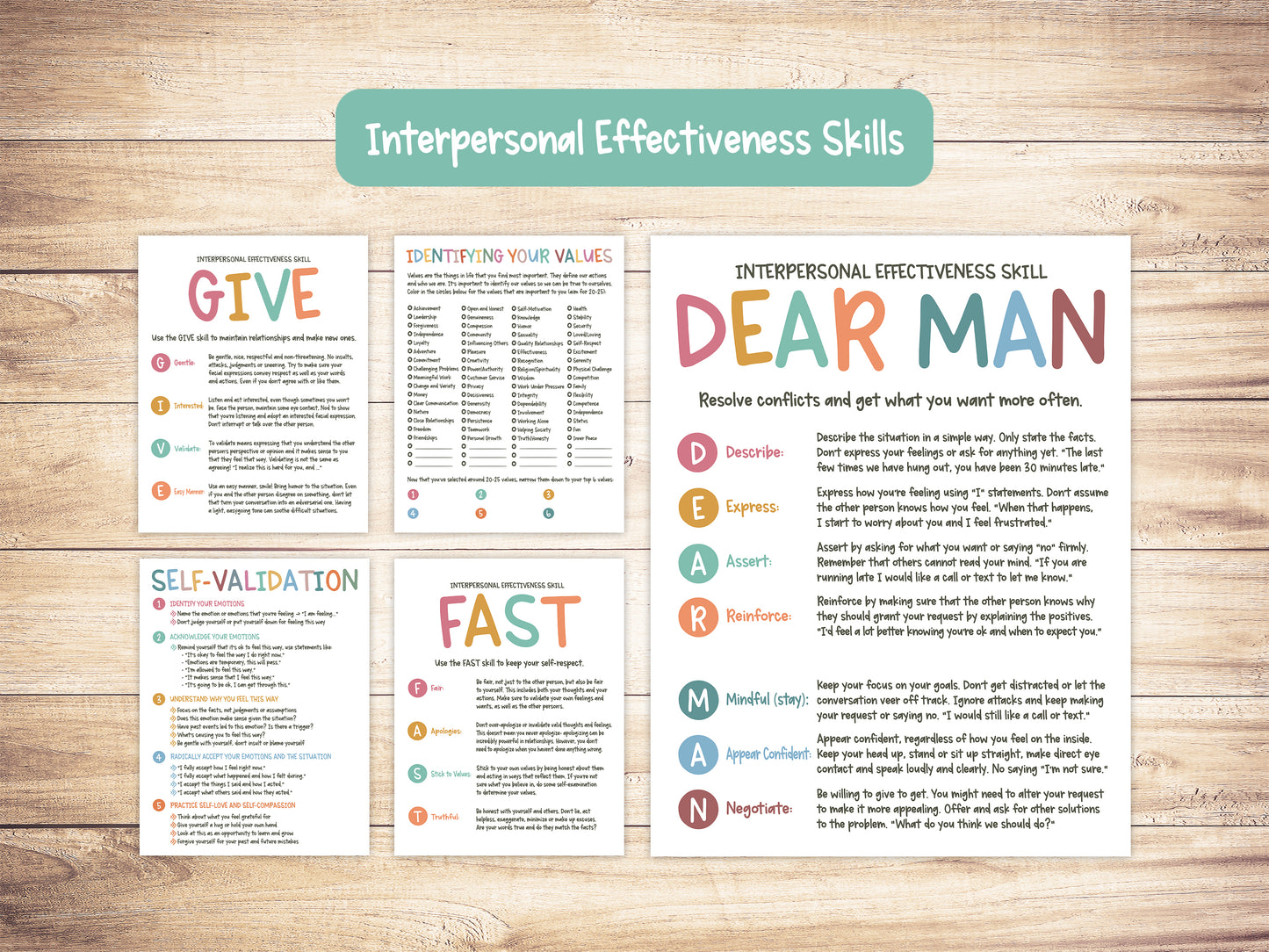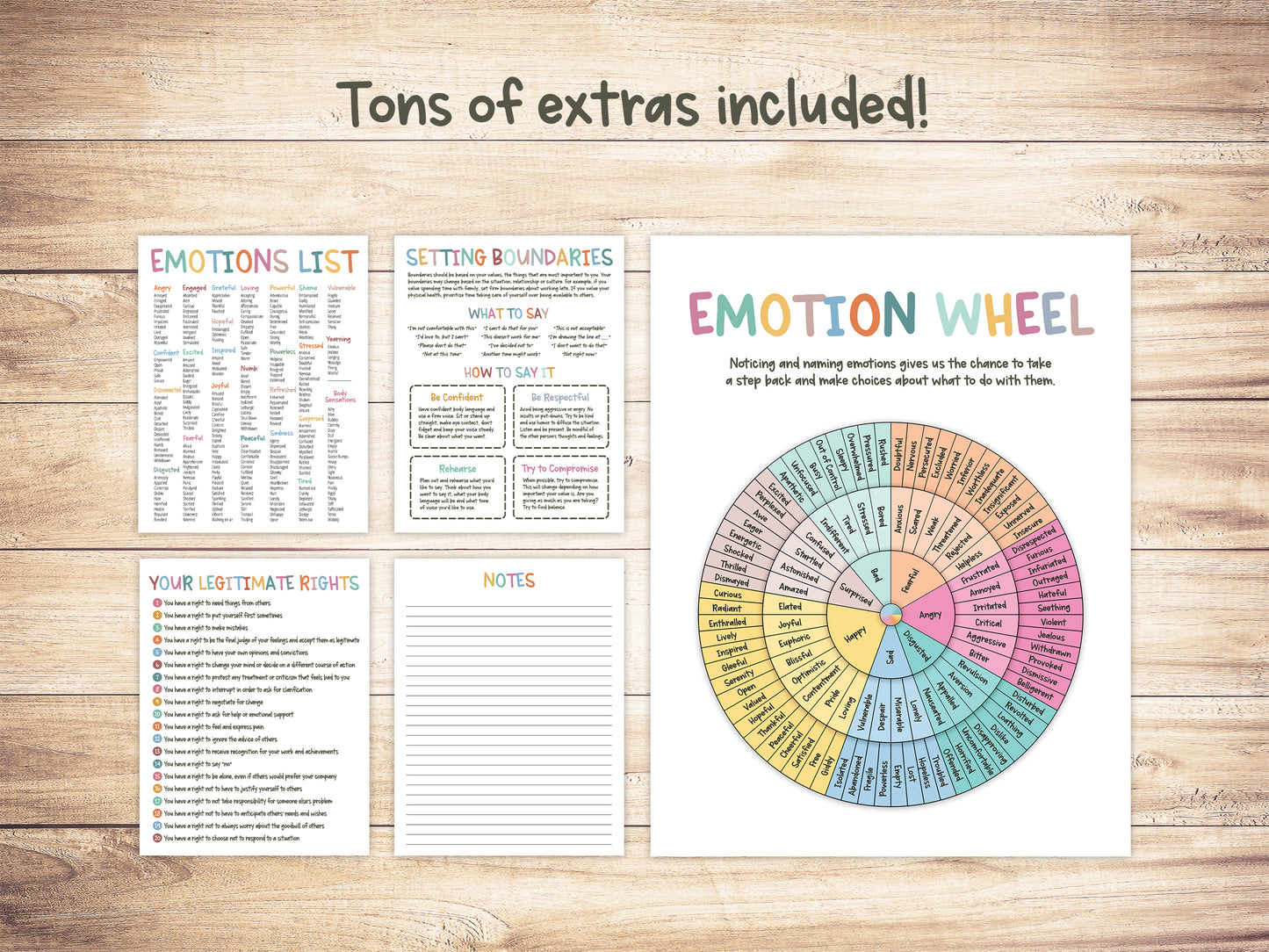

Want a simple way to stay grounded throughout the day? One of the most practical Dialectical Behavior Therapy (DBT) habits is checking in with yourself before you react. These DBT mindset questions can help you slow down, reconnect with Wise Mind, and choose responses that support your long-term goals.
What does it mean to stay in a “DBT mindset”?
For many people, a DBT mindset means practicing awareness and acceptance in real time — noticing what’s happening in your body, your thoughts, and your emotions, and gently asking where it may be coming from. It also means working with reality as it is, rather than fighting what you wish were different.
That’s not the same as “liking” reality. It’s choosing to meet the moment honestly so you can respond effectively.
When I notice I’m reacting instead of responding, I ask these 6 DBT questions
These questions are simple, but they’re powerful. They help you pause, interrupt autopilot, and shift from emotion-driven action to skillful action.
-
Is this a fact or an assumption?
When emotions are high, our brains fill in gaps quickly. This question helps you separate what you know from what you’re guessing. -
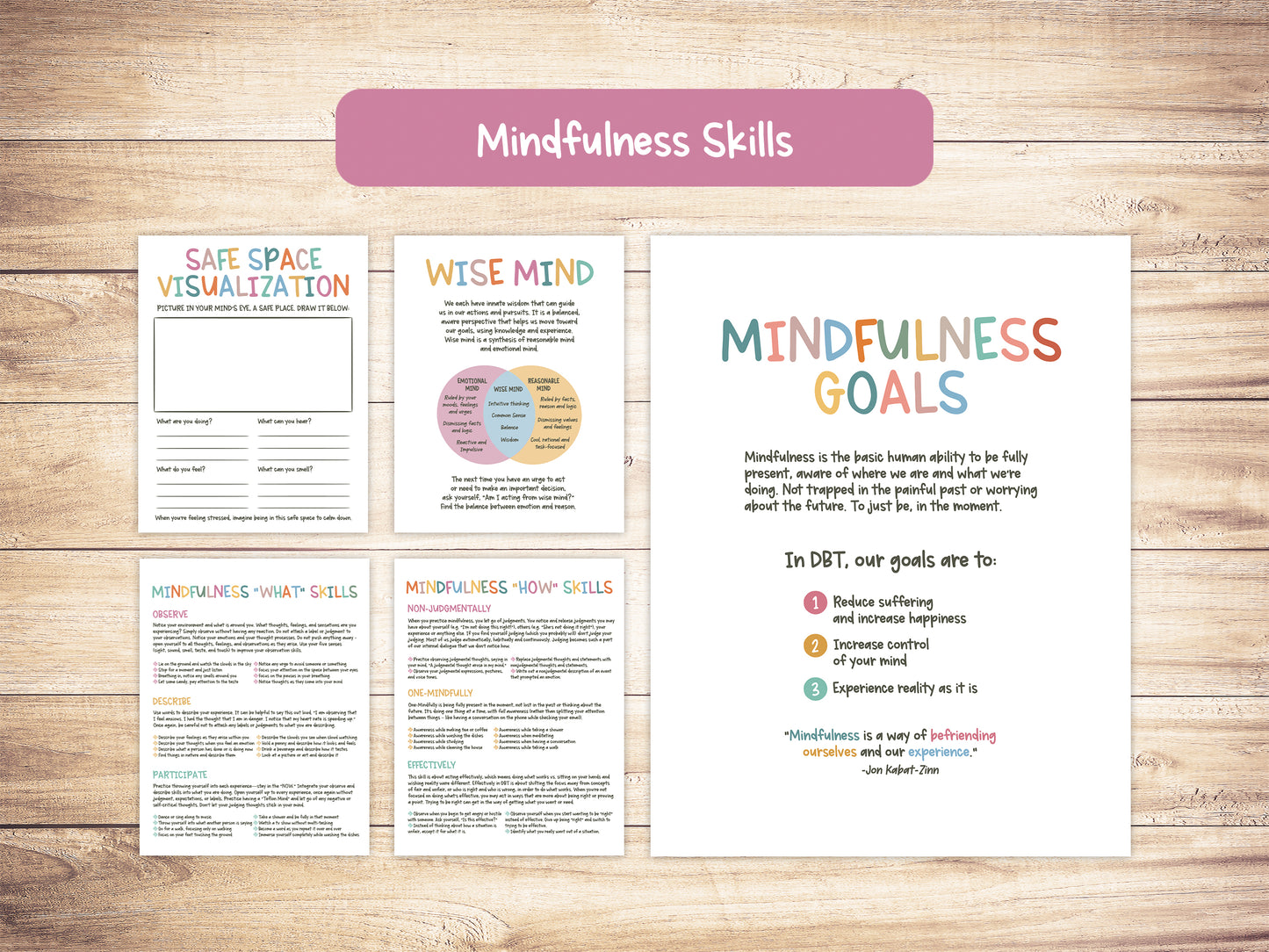
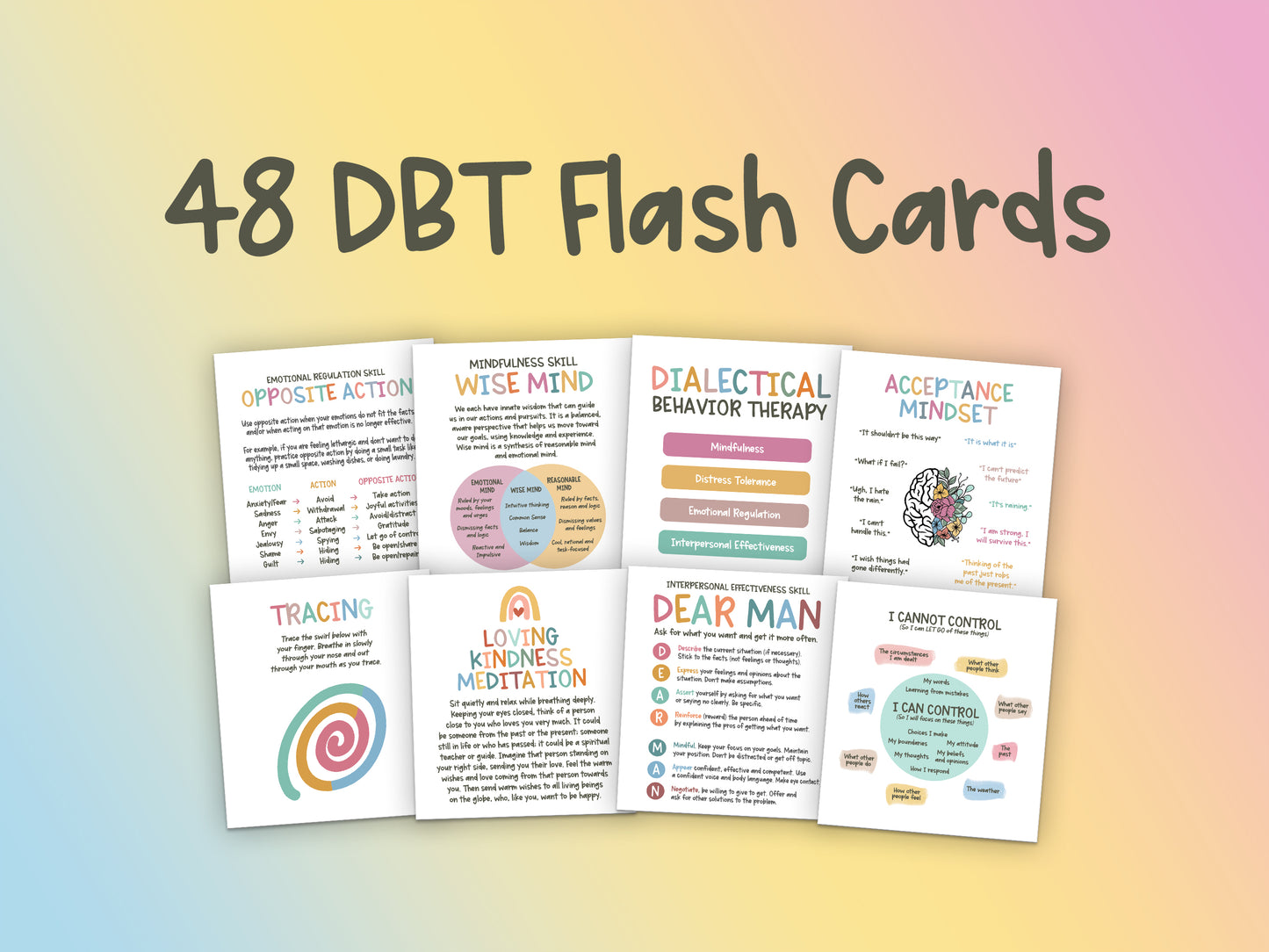
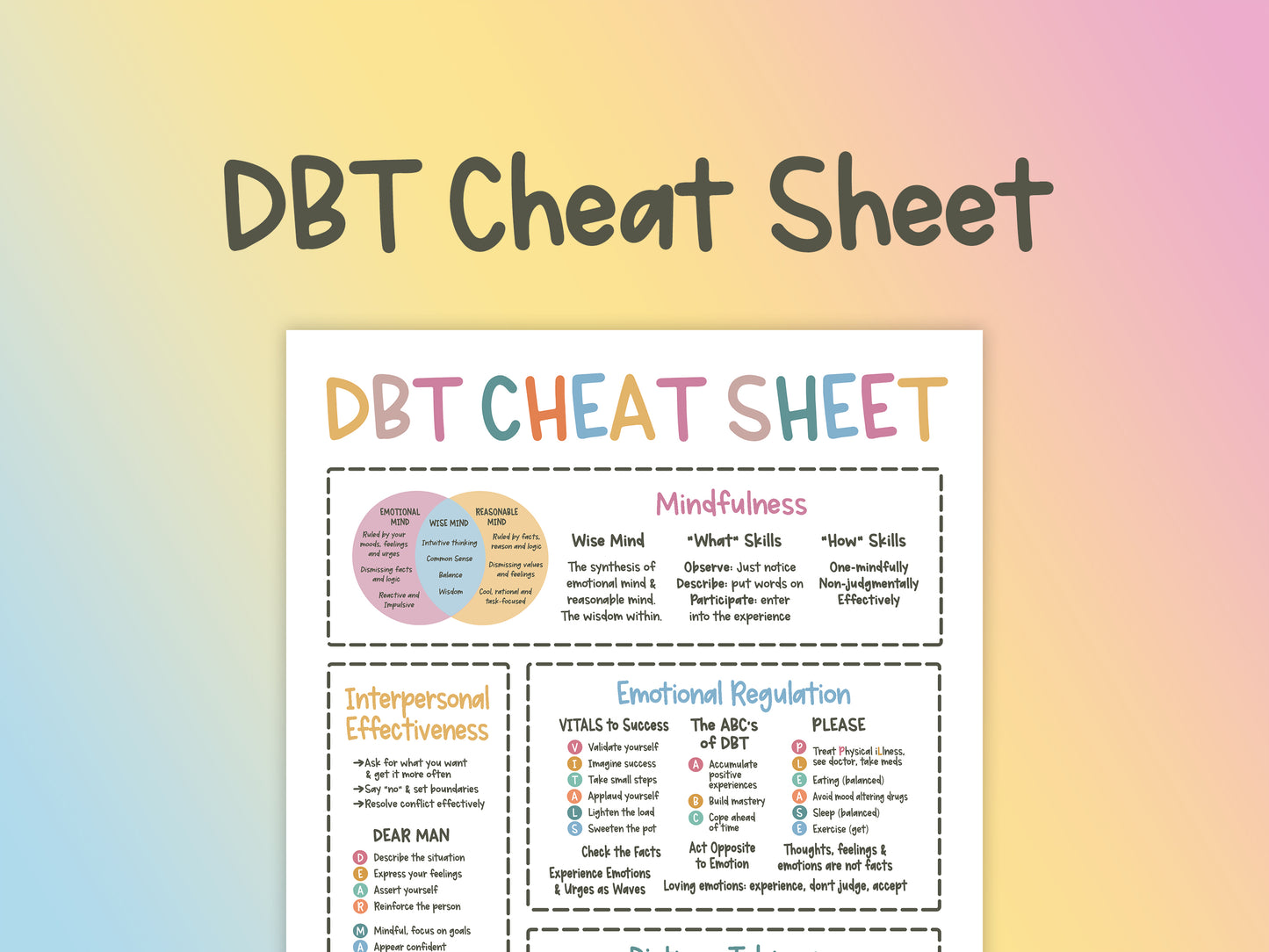
Am I acting from Emotion Mind or Wise Mind?
Wise Mind isn’t “perfect.” It’s the balanced place where emotions and logic can both be true — and you can still choose what helps. -
What would be effective long term?
This redirects you from short-term relief (like snapping, shutting down, or avoiding) toward choices that support your future self. -
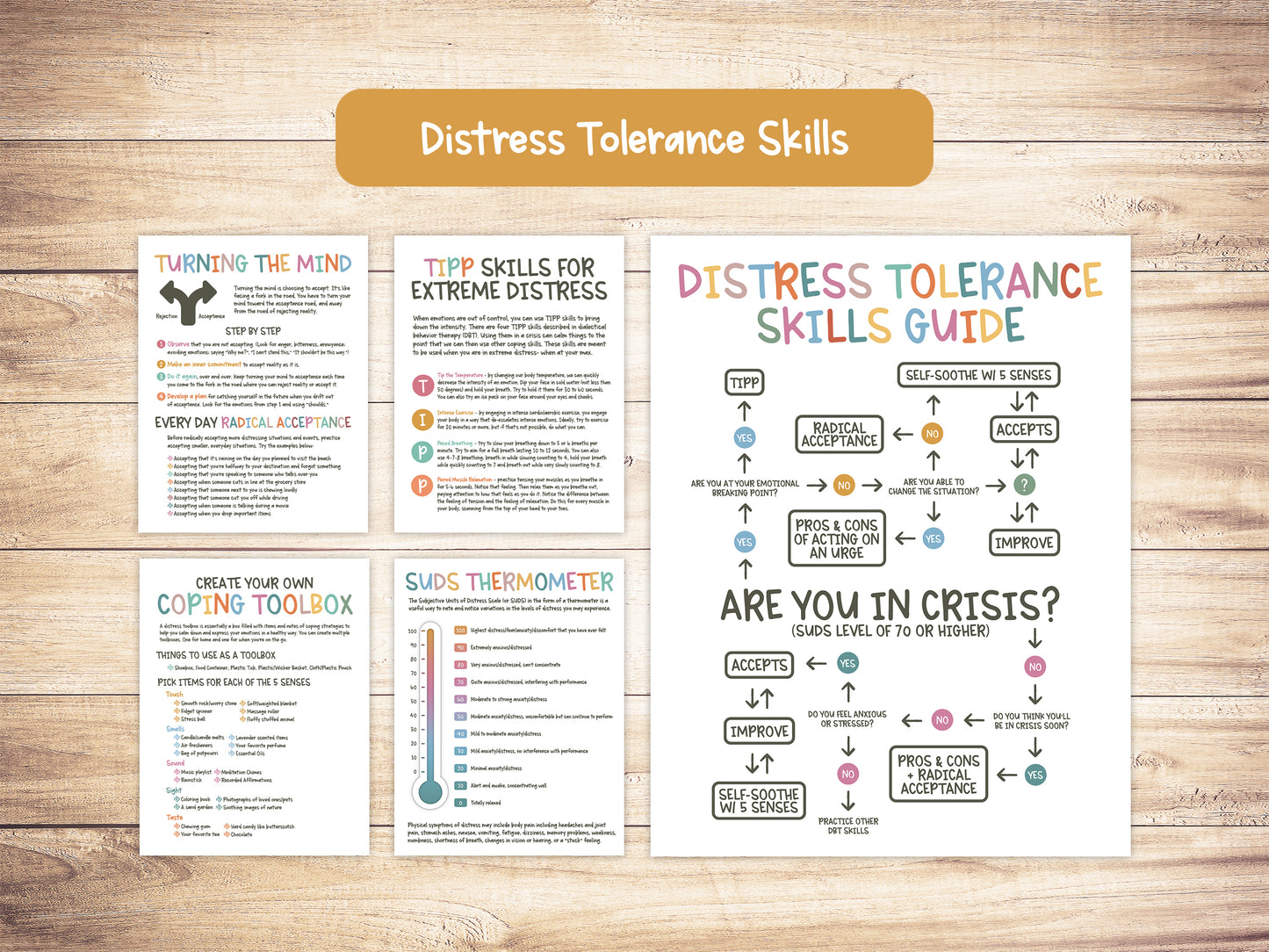
How can I cope with this using DBT?
Instead of “How do I make this go away?” try “What skill fits this moment?” Even one small DBT skill can change the whole direction of your day. -
Is this action aligned with my goals?
This creates a quick values check. Will this move you closer to the life you want — or pull you away from it? -
Does this help me build a life worth living?
DBT is not just about managing crises. It’s about building a life that feels stable, meaningful, and sustainable over time.
Why Wise Mind is a game-changer in DBT
A huge part of DBT is learning to act from Wise Mind — especially when you feel triggered, overwhelmed, or emotionally flooded. For me, Wise Mind means I’m not making choices based only on the reaction of the moment.
It looks like pausing long enough to ask:
- Am I responding to what’s happening now — or something that reminds me of the past?
- Will this choice support the person I want to become?
- What happens if I choose the most effective option instead of the most reactive one?
Practicing Wise Mind doesn’t erase emotions. It gives you more control over what you do with them.
How to practice these DBT questions daily (simple and realistic)
You don’t need to memorize all six questions today. In fact, it’s usually more effective to start small:
- Pick one question and practice using it throughout the day.
- Use it during “small” moments (mild stress counts). That’s how the habit becomes automatic when bigger moments hit.
- Do a quick daily review at night: Which question would have helped most today?
Over time, these questions can become second nature — a built-in pause that helps you stay consistent, reduce impulsive behaviors, and choose responses that actually work.
A gentle reminder
Be kind and patient with yourself. DBT is a skill set — and skills take repetition. The goal isn’t perfection. The goal is progress.
Small steps are how big change happens. Every time you pause, reflect, and choose something more effective, you’re building momentum toward a life worth living.